
Ritual instead of chaos – care based on the skin’s real needs
Caring for a Sphynx cat is not about washing more often or reacting only when a problem appears. A Sphynx’s skin has taken over many of the protective functions of fur and therefore requires regular—but very precise—support.
The best results come from a grooming ritual, not from chaotic actions. This schedule organizes Sphynx care into a logical system: daily, every few days, and occasional—without overloading the skin.
DAILY
The foundation of skin balance
1. Gentle cleansing without rinsing
Product: No-Rinse Cleansing Gel – Sphynx Rituals
Daily washing with water is unnecessary and often leads to overproduction of sebum. Sphynx skin responds best to regular removal of excess sebum without damaging the lipid barrier.
Why daily:
-
sebum in Sphynx cats accumulates on the skin surface,
-
lack of fur means no natural buffering,
-
gentle cleansing stabilizes the microbiome.
How to use:
-
apply a small amount of gel to your hand or a cotton pad,
-
gently wipe the skin,
-
remove any residue until dry.
This is the core step that replaces frequent bathing.
2. Sensitive zones: skin folds and intimate areas
Product: Intimate Cleansing Lotion – Sphynx Rituals
Skin folds and the anal area carry increased microbiological risk. They require more frequent—but very gentle—cleansing.
Why regular care matters:
-
prevents buildup of residue,
-
maintains physiological pH,
-
reduces the risk of irritation.
How to use:
-
apply the lotion to a cotton pad,
-
gently wipe the skin,
-
do not rinse.
EVERY FEW DAYS
Skin support and protection
3. Ears – balance instead of excessive hygiene
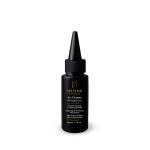
Product: Ear Cleanser – Sphynx Rituals
Sphynx ears produce more discharge, but they should not be cleaned daily. The ear canal has its own microbiome and self-cleaning mechanisms.
Proper frequency:
-
every 3–7 days in a healthy cat,
-
more often only temporarily, in cases of clear overproduction.
How to use:
-
place a few drops into the ear,
-
gently massage the base of the ear,
-
wipe away visible discharge with a cotton pad,
-
never insert swabs deep into the canal.
The goal is balance—not sterile cleanliness.
4. Skin barrier protection
Product: Daily Protective Cream – Sphynx Rituals
Sphynx skin is exposed to friction, dryness, and environmental stimuli. A protective cream supports the lipid barrier and reduces skin reactivity.
Why every few days:
-
stabilizes sebaceous gland activity,
-
protects against irritation,
-
improves the cat’s comfort.
How to use:
-
apply a thin layer,
-
focus on areas prone to friction or dryness,
-
gently massage until absorbed.
OCCASIONALLY
Intervention, not routine
5. Bathing – only when truly necessary
Product: Gentle Skin Shampoo – Sphynx Rituals
Bathing should not be a permanent part of Sphynx care. It is an intervention tool, not a routine one.
When bathing makes sense:
-
heavy soiling,
-
buildup of stubborn residue,
-
specific veterinary recommendation.
How to bathe:
-
use lukewarm water,
-
apply a small amount of shampoo,
-
rinse thoroughly,
-
dry gently without rubbing.
6. Skin in crisis
Product: SOS Rescue Cream – Sphynx Rituals
This is a targeted, spot-treatment product.
When to use:
-
localized irritation,
-
dryness,
-
skin overloaded by environmental stimuli.
How to use:
-
apply a thin layer,
-
locally,
-
until improvement is visible.
SUMMARY OF THE SCHEDULE
Daily
-
No-Rinse Cleansing Gel
-
Intimate Cleansing Lotion
Every few days
-
Ear Cleanser (every 3–7 days)
-
Daily Protective Cream
Occasionally
-
Gentle Skin Shampoo
-
SOS Rescue Cream
Why this system works
This schedule:
- does not overload the skin,
- does not disrupt the microbiome,
- eliminates grooming chaos,
- is based on biology, not myths.
This is not “more grooming.”
It is a thoughtfully designed ritual that allows Sphynx skin to function in a stable, healthy way.
Summary
Sphynx skin warns before it becomes diseased.
Odor, stickiness, and color changes are the language it uses to communicate overload.
Learning this language allows you to:
-
act earlier,
-
act more gently,
-
act more effectively.